Graduates
Nineteen graduates, in their own words. They arrived as psychologists, social workers, teachers, occupational therapists, nurses and school leaders. They did not leave those professions. They added a method to them, and they use it inside the work they already did.
Trained through Offek Center, Israel.
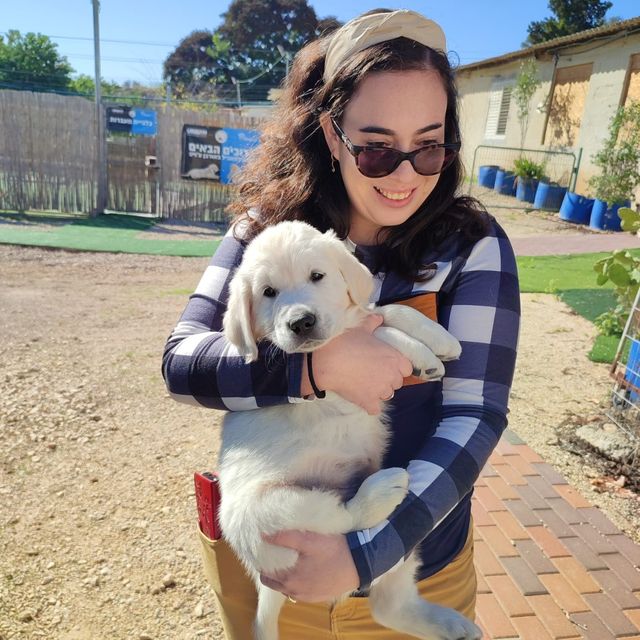
Shira Goldenberg
Psychologist
“The dog is a powerful catalyst. It breaks through the first defenses, it accelerates the working alliance, and it confronts a person with real-world dynamics that a quiet office never produces.”
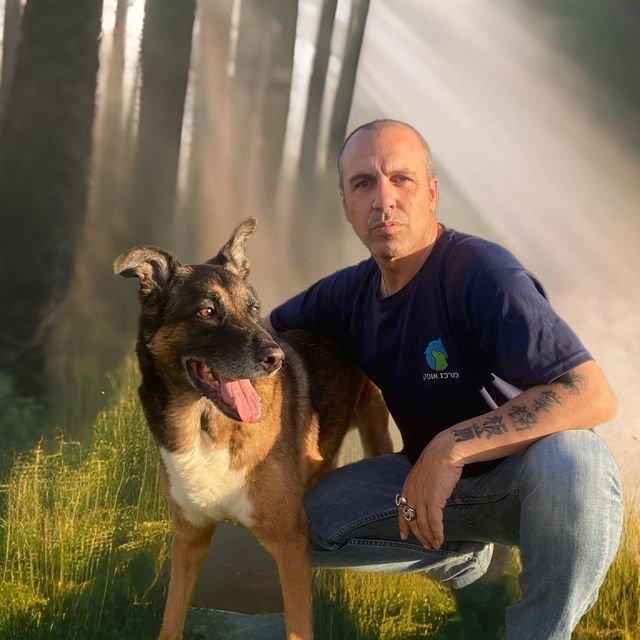
Yonatan Yosha
Psychotherapist
“A trained dog is an active partner that co-regulates in real time, helping young children build trust through play, and helping post-traumatic soldiers ease hypervigilance and find safety in the body again.”
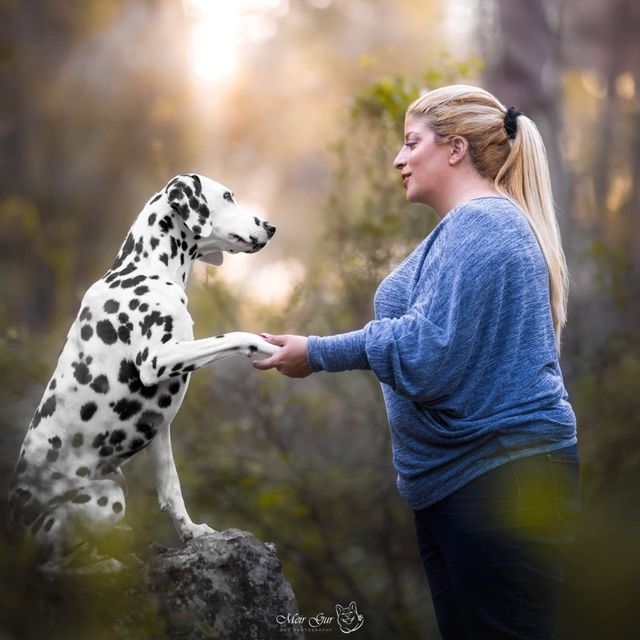
Or Levi
M.A. in Clinical Psychology
“Working with a dog creates a safe, non-threatening setting where we can target self-regulation, social skills and emotional confidence in real time, without any of it feeling like a session.”

Yifat Berkovitch
B.A. in Psychology; dog-assisted intervention practitioner
“A dog bridges gaps that talking alone cannot. Bringing my dog into a school changed a socially excluded student's standing almost overnight, and there was real confidence and real peer acceptance behind it.”
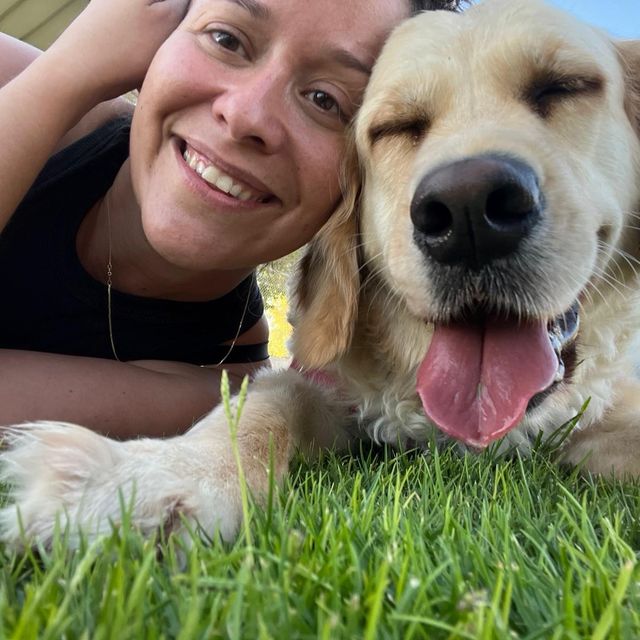
Noa Zafrir Houri
Social Worker
“In parent–child work and with young children the dog becomes an active partner. It lets us reach boundaries, emotional regulation and attachment through natural interaction instead of words alone.”
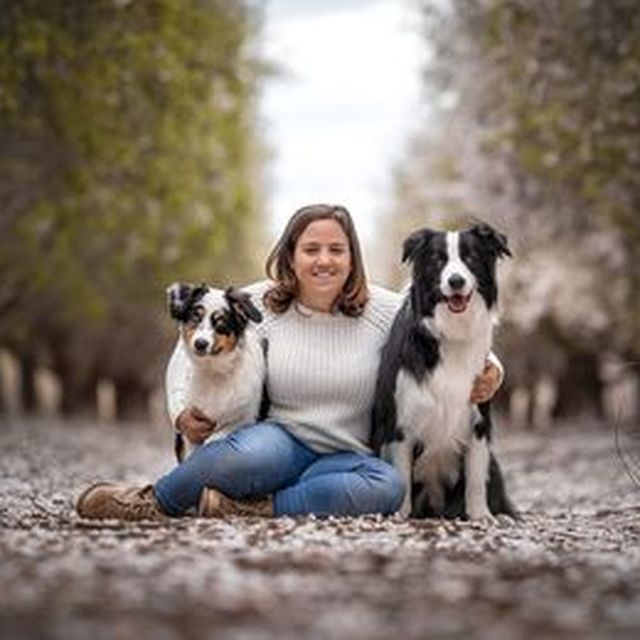
Ariel Shafir
Clinical Social Worker (M.S.W. candidate)
“Bringing a trained dog into social work opens people up quickly, across welfare centers, schools and special education, for children at risk and for their families.”
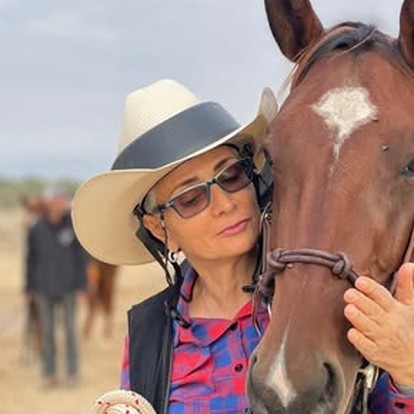
Nili Tzafar
Educational Counselor and Social Worker
“The methodology gives you field-tested tools for the hardest emotional and behavioral situations, adapted to the population in front of you rather than to a textbook.”
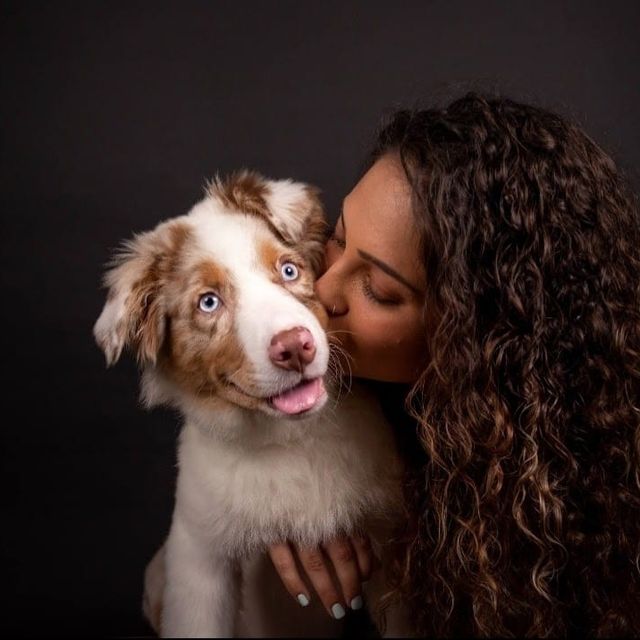
Eden Hangel
Criminologist and Youth Practitioner
“With inmates and with at-risk youth the dog goes straight past the defenses and the manipulations. People who have never been able to trust get to experience vulnerability, connection and respect.”

Lior Cohen Ben Zecharia
Special Education Teacher
“A dog is an extraordinary motivator in a classroom. Children read longer and focus harder, and they grow socially and emotionally while they think they are simply working with the dog.”
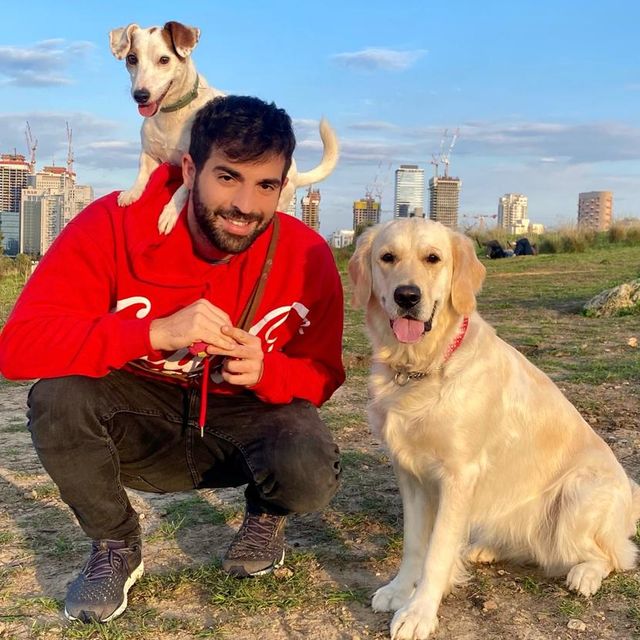
Ron Batat
Special Education Educator (B.Ed.)
“The dog is a non-judgmental bridge. With older adults especially it cuts isolation, brings out deep emotion, and gives people back a sense of purpose and dignity.”
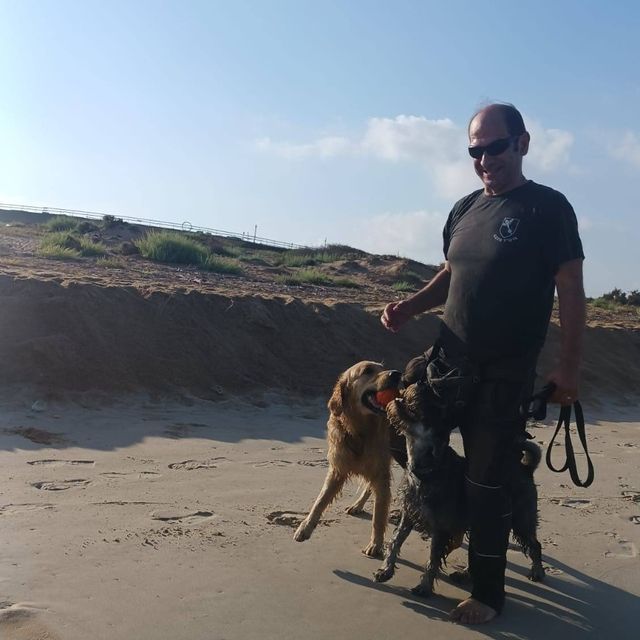
Baruch Guskin
High School History Teacher
“The principles carried straight into my classroom: clearer learning goals, awareness of my own body language, and deliberate design of the setting children learn in.”
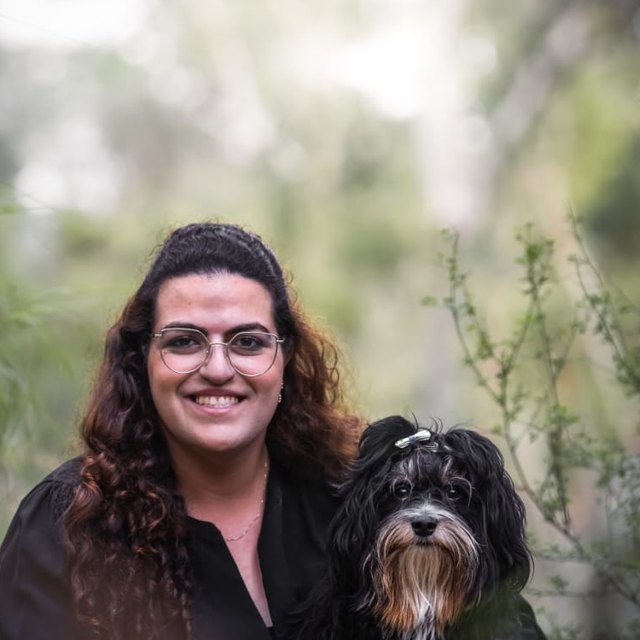
Dor Agiv
Life Sciences and Genetics Researcher; Educator
“An evidence-based approach paired with a dog lowers performance anxiety and lifts cognitive learning, which matters most in the subjects students are most afraid of.”
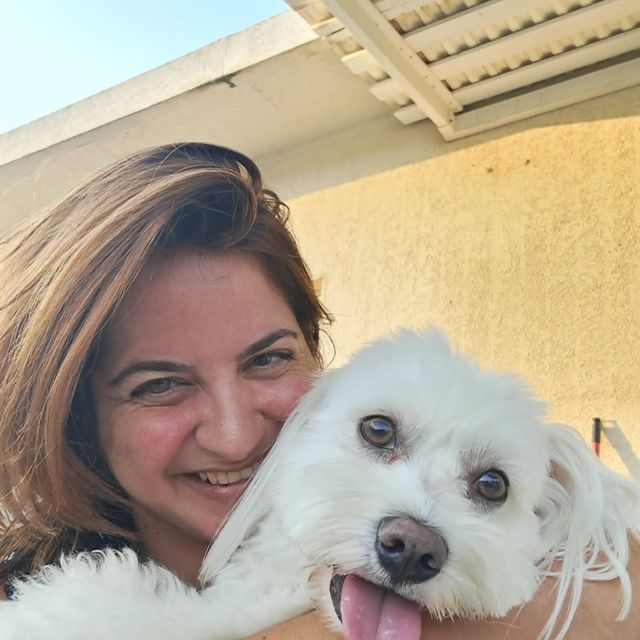
Inbar Mekrantz
B.A. in Behavioral Sciences and Special Education
“Behavioral principles plus a trained dog make for interventions that actually move behavior and emotional regulation in young people.”
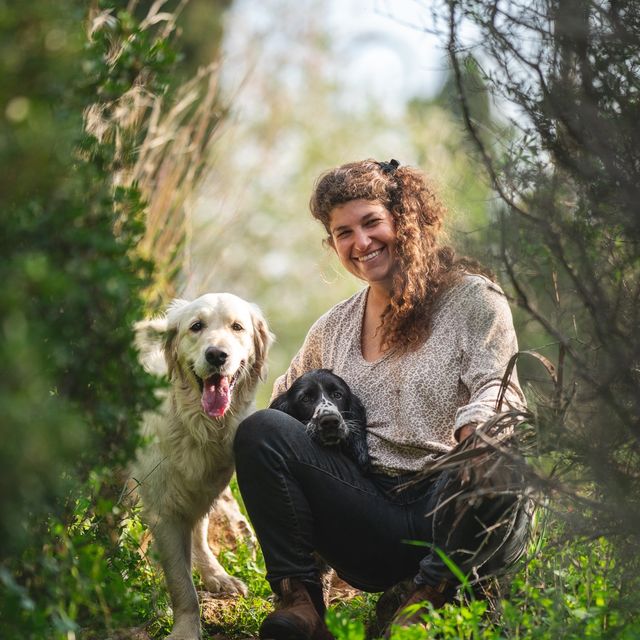
Gal Eisenmann
B.A. in Education and Theater
“At school a child is proving themselves all day long. With the dog there is nobody to prove anything to.”
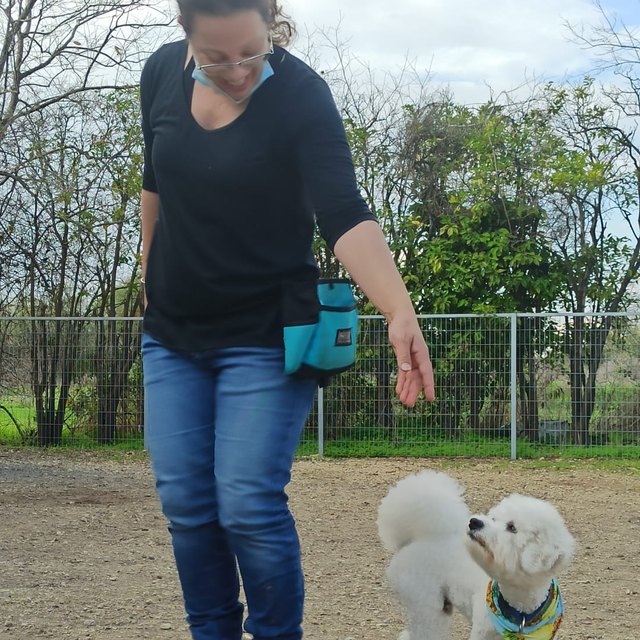
Tali Hilu
Literacy and Reading Motivation Specialist
“In a reading program the dog creates a completely non-judgmental space. A hesitant reader stops performing and starts enjoying the book.”
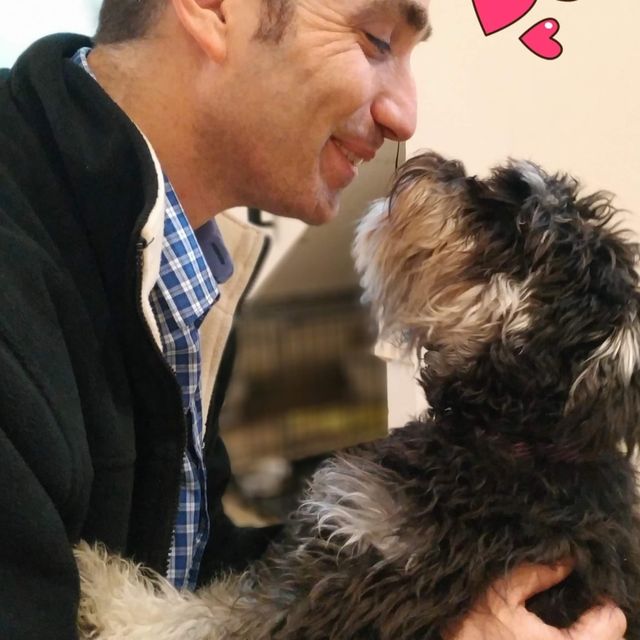
Guy Bauman
School Principal
“The dog thaws the ground. It is a bridge to the people who did not want to walk through the door in the first place.”
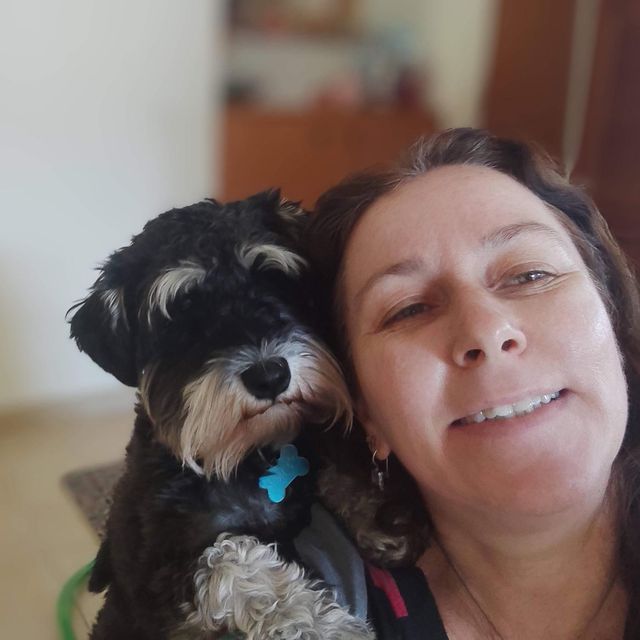
Sophia Lavi
Occupational Therapist
“In special education preschools and in private practice the dog is the partner that makes motor work, executive function and sensory regulation meaningful instead of drilled.”
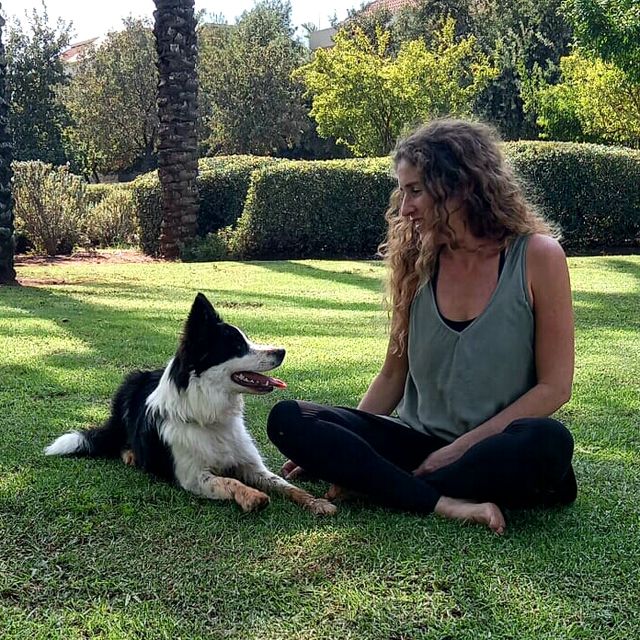
Amit Ronen
Nurse Midwife
“Bringing a trained dog into a hospital opens a completely new route to easing stress and anxiety during medical care and during delivery.”
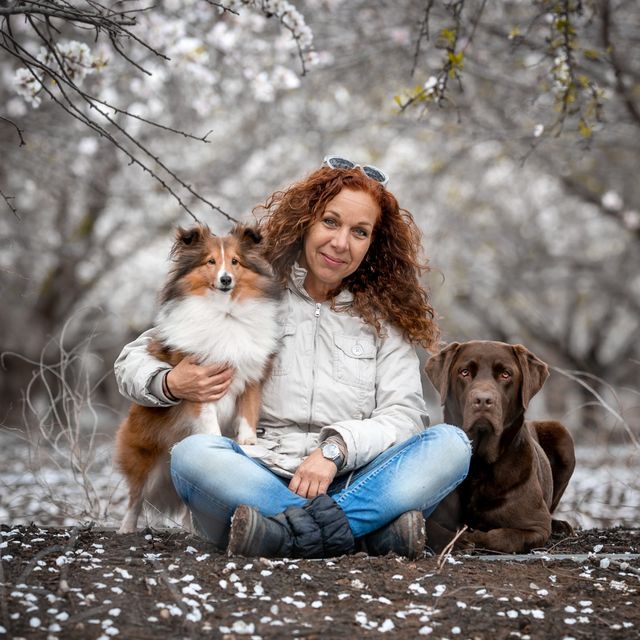
Anat Alon
Group Facilitator
“A dog inside a group unlocks communication between people, builds cohesion immediately, and turns the room into genuine experiential learning.”
Every person above held a professional credential before they began. That is the design of the program, not a coincidence. The method is built to be added to an existing profession, not to replace one.
Start the conversation
You will be answered by the founder, not a funnel.
Curriculum documentation, the instructor qualification file, and the full capability framework are available on request.